
 |
 |
« A stranger is a friend you haven’t met yet. »
Irish proverb. |
The human body,
a model of democracy
and international relations.
3 - The gut microbiota :
A – Bacteria foreign to the human body :
a – How does the microbiota develop ?
b – What role does it play ?
1 - The gut microbiota depends on the body’s energy requirements :
2 – In the absence of microbiota, deficiencies occur :
3 - The microbiota plays a role in other functions :
4 – Over the course of an individual’s life, their microbiota will change gradually :
c – How is it received by the body ?
d – What key features should we note from this set of functions ?
B – From cells that have migrated into the human body to immigrant populations around the world :
a – Cellular and human functions :
1 – Migration is influenced by energy requirements :
2 – The immigrant population is essential to economic functioning :
3 - The immigrant population plays a role in many sectors of the economy :
4 – This new population is gradually changing :
b – he body’s hosting of the microbiota :
1 – Reproduction :
2 – The human body develops from an embryo :
2 - Restoring a diverse and healthy gut microbiota :
C – Foreign populations within nations :
a – What role do these foreign populations play ?
1 - Demographic contribution :
2 - Economic contribution :
3 - Cultural and social diversity :
b - What role do local human populations play in this relationship ?
c - How does anti-social behaviour develop ?
d - What can be done about it, then ?
D – Towards a respectful, yet fair, organisation and humanity :
a – What does humankind propose ?
b – What does nature propose ?

3 - The gut microbiota :
A - Bacteria foreign to the human body :
We often imagine that the body consists solely of its own cells. In reality, just as the Earth is inhabited by thousands of species, all of which are essential to life, our body also harbours, both on its surface and deep within, thousands of different species that make up the microbiota.Taking into account a study carried out by Israeli researchers on all the microbiota present (skin, mouth, lungs, etc.), the total number of bacteria in a reference individual (70 kg, 1.70 m, aged 20–30) is estimated at 39,000 billion (3.9 × 10¹³), a figure comparable to the number of cells that make up the body.
According to INSERM, the gut microbiota, which is the most populous, contains around 10,000 billion (10¹³) microorganisms. It consists of around a thousand different speciess.
Are these « foreign » dangerous to our bodies and so worrying that we should get rid of them, or do they serve a purpose ?
The role of the gut microbiota in our health is now increasingly well understood, and any disruption to it could explain certain diseases, particularly autoimmune or inflammatory processes.
a – How does the microbiota develop ?
Researchers are now discovering that a child’s development and health are directly dependent on their microbiota, and that the mother’s microbiota plays a decisive role. From the 24th week of gestation onwards, the foetus already possesses a microbiota consisting of bacteria originating from the maternal uterine environment.
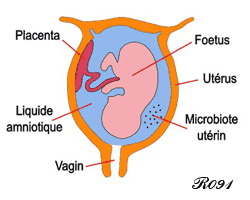
This microbiota will change at birth, in different ways depending on the method of delivery: during a vaginal birth, it will acquire the vaginal and faecal flora; during a caesarean section, it will acquire microorganisms from the immediate environment.
Over the following years, the gut microbiota will continue to evolve under various influences, of which diet is the most significant.
b – What role does it play ?
1 - The gut microbiota depends on the body’s energy requirements :
It is, in fact, the body’s energy requirements which, through diet, lead it to ingest microorganisms that will thus constitute the gut microbiota.
The metabolism of this microbiota is itself sustained by diet, and in particular by dietary fibre. Could it, then, be a parasite living at the expense of the host organism ?
This is not the case. Whilst it feeds on our food, it platys an essential role in digestion, contributing to the vital processes of the organism that harbours it.
- It facilitates the fermentation of indigestible food substances.
- It aids the absorption of food through enzymes that the host organism lacks.
- It breaks down starch and cellulose.
- It synthesises certain vitamins (vitamin K, B vitamins) and amino acids.
- It regulates the absorption of fatty acids, calcium, magnesium, etc.
2 - In the absence of microbiota, deficiencies become apparent :
Compared with a normal animal, researchers have found that animals reared without microbiota have energy requirements that are 20 to 30 per cent higher.
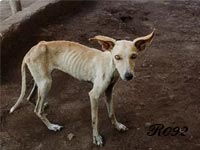
3 - he microbiota also plays a role in other functions :
It influences the development and functioning of the digestive tract : in its absence, the differentiation of cells in the intestinal wall remains incomplete, the blood supply to the intestine is less dense, there are fewer immune cells, and the motility of the digestive tract is slowed down.
As we shall see later, this microbiota also contributes to the functioning of the immune system, which, thanks to it, learns to distinguish between beneficial and pathogenic species.
 |
 |
Harmful cells are identified amongst the crowd.
4 - Over the course of an individual’s life, their microbiota will gradually change :
This transformation occurs in response to various circumstances: changes in lifestyle, place of residence or diet, or the onset of illness.
The gut microbiota will then see its role transformed by the arrival of new populations of microorganisms or, conversely, the disappearance of existing populations.
c – How is it received by the body ?
This leads us to review how a healthy body functions.
This process begins at the moment of fertilisation.
At the cellular level, for the parental genomes to be functionally compatible, numerous mechanisms come into play : amongst other things, the sex chromosomes (X and Y) must be present in equal quantities to avoid genetic imbalances. In short, no single genome can impose its characteristics without causing developmental problems or even spontaneous abortions.
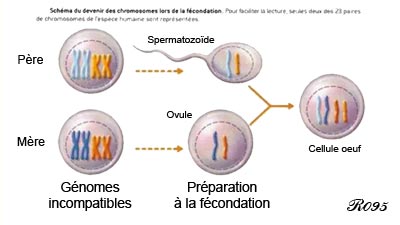
Furthermore, from the moment it first appears, the embryo is exposed to the mother’s immune system and her microbiota. Its entire cellular system must integrate into this environment.
At the same time, the mother’s body must take into account the fact that the embryo it is harbouring carries foreign genes – a fact that should prompt it to expel the embryo – yet it does not do so. ‘Tolerance’ is essential.
However, this harmonious functioning of the mother’s body remains subject to other factors unrelated to biology, such as the influence of a person’s living condition.
We now know that excessive protection against microbes prevents the immune system from recognising the enemy and causes allergies in children; the mother’s body remains subject to other conditions independent of biology, such as the intervention of. By cleansing the skin microbiota and removing the protective layer of sebum that covers the skin, replacing it with chemical oils, might daily body washing also weaken the immune system by depriving it of the ability to distinguish between beneficial « inhabitants » and enemies ?
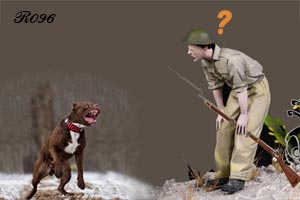
Recognising the existence of a threat determines the effectiveness of the immune system.
The same applies to the gut microbiota.
Since our health is shaped by what we eat, might industrial catering not cause us to lose a large part of its benefits for the body by sterilising all food? Indeed, modern catering seeks above all to appeal to the palate, without regard for biological needs.
Similarly, medical treatments, whilst so useful, can alter it: for instance, due to its toxicity to any cells foreign to the body, a course of antibiotics can reduce the quality and quantity of the microbiota for several weeks. Even if the species present before treatment largely recover, thanks to the reserve provided in particular by the appendix or ileocecal region, alterations may persist.
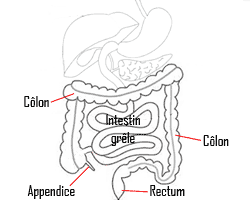
Consequently, questions are now being raised about the possible impact of pesticides and other additives present in food, which may alter the microbiota’s composition and function.

d – What key features should we take away from this set of functions ?
- Firstly, the gut microbiota consists of cells that are « foreign » to the host organism. These cells colonise the gut as a result of contact with the environment.
- The second is that it is replenished through diet. It is then either eliminated in the faeces or remains in the body. It therefore has all the characteristics of passing tourists or « immigrants » who settle in a place without always having been invited.
- Its third distinctive feature is that it is subjected to attacks, not from the cells of the host organism, but from the host’s lifestyle. Thus, changes in lifestyle, diet or medical treatments can alter it to a greater or lesser extent.
Restoring a normal gut microbiota is therefore currently a therapeutic approach.
How, then, might humans incorporate into their behaviour an understanding of the functioning and interrelationships between their own body cells and foreign cells ?
B - From immigrant cells in the human body to immigrant populations around the world :
a – Cellular and human functions :Let us therefore compare the functions of the gut microbiota with those of immigrants, two seemingly very different populations. What do we discover ?
1 - Immigration is influenced by energy requirements :
For a country that relies on resources from technical, food or energy products sourced from third countries, importing goods from those countries will also encourage the arrival of their inhabitants..
 |
 |
 |
Yet immigrants are often accused of unduly appropriating the host country’s resources, but is this really the case? Do they not contribute at least as much as they receive to sustain themselves?
What, then, are the positive aspects of their presence ?
There are two possible scenarios:
- the host country does not recognise these arrivals but does not reject them either. The assistance that is nevertheless granted to migrants indicates the existence of a sense of empathy towards them.
- if their status is regularised, immigrants will contribute their skills.
2 - The immigrant population is essential to the functioning of the economy :
Generally speaking, the legalisation of the admission of foreign nationals is linked to a need for labour in a particular economic sector that is usually neglected by the local population. The immigrant population thus fills these gaps.
3 - The immigrant population helps to build the nation and stimulate trade :
It fulfils roles in the food sector (catering), construction (building sites) and security (surveillance), as well as highly specialised roles, which may even enable immigrants to attain the highest positions within the State.
4 - This new population has gradually evolved as new arrivals have come in, without, however, disrupting the cultural customs of the host nation. Indeed, the host countries have not been immune to the profound changes that have transformed them over the centuries. They have thus integrated waves of new arrivals who have brought their knowledge with them.
It was in this way that the ‘invasion’ of Western Europe and the Mediterranean basin by the Romans (27 BC – 476 AD) fostered the development of an extensive communications network.
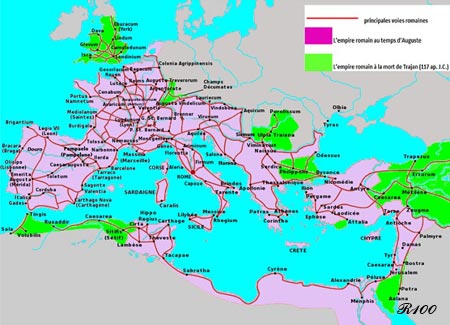
Roman roads.
Later, between the 4th and 7th centuries, major migrations [Huns, Goths, Vikings...] gradually transformed the socio-economic landscape.
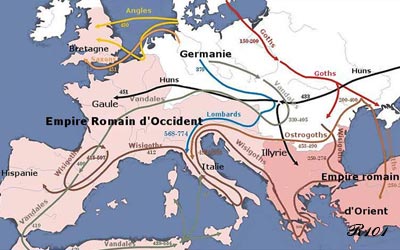
The Barbarian Invasions (150–500 AD).
Today, things have not changed. Individuals live in a world where needs are evolving, and where migratory flows continue to transform peoples. However, the key driver of change is no longer linked solely to migration. The media, by opening our eyes to the world and the richness of its diverse cultures, encourages us to travel, explore and aspire to change and attain wealth. The need to adapt has become a constant. Moreover, we all too easily forget that the Earth is not the exclusive property of the human species, but is the habitat of a community of species – both plant and animal – which all have the right to live there and should be respected.
b – The body’s role as a host for the microbiota :
We have just compared the impact of the microbiota on the body to that of an immigrant population within a nation.
Let us now consider how our body prepares to receive these populations of foreign cells.
1 - In procreation, a child’s moral development and health depend on the existence of different people, whose richness in turn depends on the variety of their life experiences.
Being loved and feeling a sense of well-being are the primary perceptions that determine the desire to have a child.
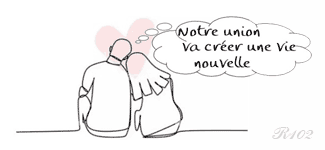
« Our union will bring new life into the world. »
Bringing together complementary capabilities fosters progress.
Bringing together complementary capabilities fosters progress.
 |
 |
It is the association (rather than the conquest) of nations that fosters major transformations.
But first, the sperm must prepare to make room within its inner world to merge with another cell.
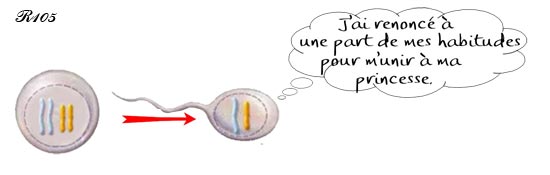
« I’ve given up some of my old habits to live with my princess. »
For its part, the egg will also clear out space to make room for the sperm’s chromosomes.
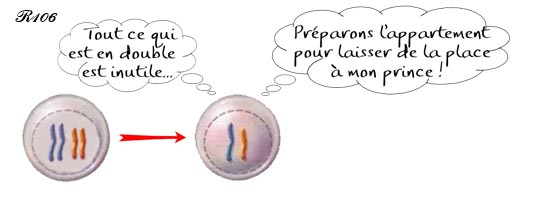
« Anything in duplicate is unnecessary.
Let’s get the flat ready to welcome my prince.. »
Let’s get the flat ready to welcome my prince.. »
2 - The human body develops from an embryo which, in order to exist, had to reconcile two different genomes.
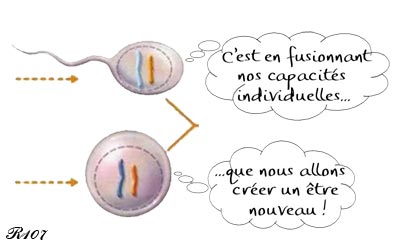 t
t« It is by combining our individual abilities...
...that we shall create a new being. »
...that we shall create a new being. »
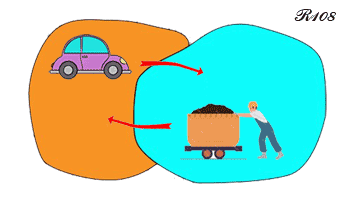
To acquire the wealth of another nation,
a nation must be prepared to share some of its own.
a nation must be prepared to share some of its own.
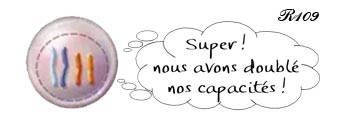
« Great! We’ve doubled our capacity. »
The fertilised egg combines the genetic characteristics of two different and complementary cells,
promoting adaptation.
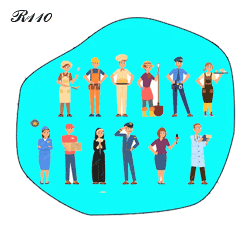
Similarly, a nation must be able to make the most of its people’s diverse talents
and combine them with those of new arrivals.
and combine them with those of new arrivals.
Let us return to the embryo: having reconciled the presence of the two genomes—that of the father and that of the mother—the embryo’s second challenge is to adapt to the uterine microbiota: other forms of life exist and it is necessary to come to terms with them, all the more so as cells of the maternal immune system, which pose a potential threat, are also present in this environment.
The foetus will have to live amidst different populations that may prove to be incompatible.

« Who are those people ?
Right! No need to worry, they mean me no harm. »
Right! No need to worry, they mean me no harm. »
The embryo is exposed to the uterine microbiota.
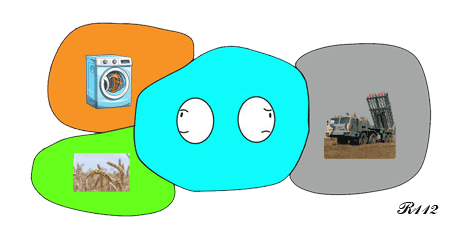
« Similarly, in order to grow, a nation must be able to discern
what is good and what is bad in its immediate environment.
It must then respond appropriately. »
what is good and what is bad in its immediate environment.
It must then respond appropriately. »
At the same time, the maternal immune system must be able to distinguish between a pathogenic organism and an embryo which, despite possessing ‘foreign’ and potentially dangerous characteristics—namely those of the father’s genome—is nonetheless part of the mother’s body.
The foetus will therefore have to take into account the limits that must not be exceeded in order to continue to benefit from the shelter and protection of the mother’s body. Indeed, this system is there solely to monitor and ensure the maintenance of order, that is to say, the harmonious coexistence of the community of cells.
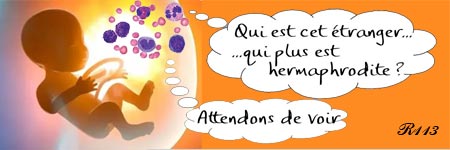
« Who is this stranger… and a hermaphrodite at that ?
Let’s wait and see. »
Let’s wait and see. »
The maternal immune system is confronted with the embryo’s paternal genes.
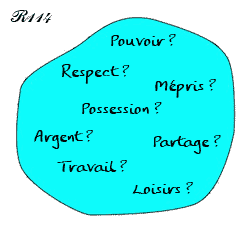
Similarly, in order to grow, the host nation must also be aware
of what is good and what is bad for it.
It must know how to act fairly, for the good of the whole community.
of what is good and what is bad for it.
It must know how to act fairly, for the good of the whole community.
3 - Later on, as far as the newborn is concerned, the social environment will have to reinforce these rules of behaviour in the child’s brain: learning from their parents what difference means, and the effort required to adapt and accept different personalities when one might wish to impose one’s own.
It is in this way that the child will discover the richness brought about by family and, subsequently, social connections, and it is thanks to this richness that the child will flourish.
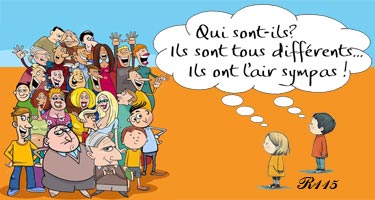
« Who are they?
They’re all different... They look like a nice bunch! »
They’re all different... They look like a nice bunch! »
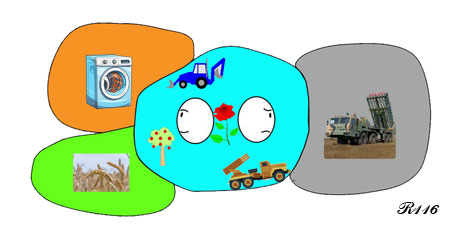
Similarly, the nation must organise its response to the outside world,
collaborate with its friends, or react without delay if necessary.
collaborate with its friends, or react without delay if necessary.
Here we see an aspect of the maternal role, which nourishes and protects the embryo and helps it to develop so that it may one day participate in community life.
Thus, the foetus and subsequently the child have been able to grow because, at every moment, the body’s cells and microbiota have joined forces for the greater good.
Similarly, at the level of nations, integration that respects local laws and recognises the contribution of each culture could restore human relationships in which everyone finds their place.
« What cell communities are capable of achieving – would human beings be incapable of it ?
And for what reasons ? »
And for what reasons ? »
C - Foreign populations within nations :
We have learnt about the large population of foreign cells within our bodies, and their equally important functions.But what do we know about foreign populations who migrate to settle in another country?
In 2024, the number of people born abroad living in another country was estimated at 304 million, representing 3.7 per cent of the world’s population.
To take France as an example, in 2025, nearly half of the immigrants living in France came from Africa and a third from Europe.
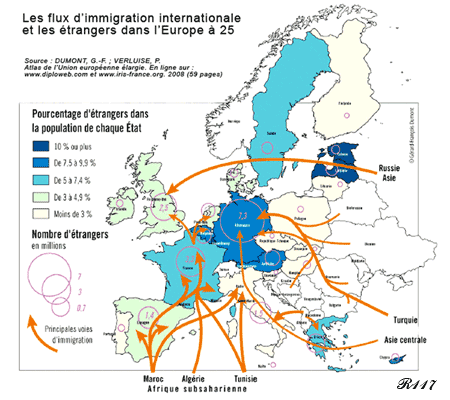
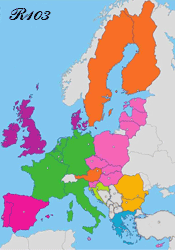
Immigration in Europe.
However, what makes immigrants significant in the context of our discussion is not their origin, but their potential role in their host country.
a – What roles do these foreign populations play in their host countries ?
As regards microbiota, their existence depends essentially on human movement within their environment and on dietary choices: the microbiota remains essentially passive or even non-existent if humans live in a sterile environment.
In the case of humans, the factors determining migratory flows are different.
These flows are essentially active and determined by the decisions and needs of these populations: the need to expand their territory, the need for food resources, flight from conflict, or the lure of potential enrichment.
In both cases—that of the living organism and that of the human world—the result remains, however, the same: ‘foreign’ populations leave their usual territory to settle in another.
Are these ‘foreigners’ who settle on our soil really so harmful to our nations and our culture?
Are they so worrying that we should do everything we can to get rid of them?
Before making any hasty judgements, let us instead examine their role in our societies.
Whatever our views on them may be, let us recognise that immigrants play a positive role in nations.
1 - From a demographic perspective :
The arrival of young people offsets the ageing of local populations and stimulates population growth.
 |
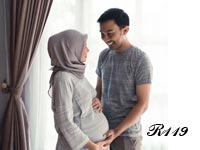 |
Those who leave are replaced.
2 - From a socio-cultural perspective :
Immigration enables us to discover peoples, cultures and traditions previously unknown to us.

Various cultures..
 |
 |
African art. |
Asian art. |
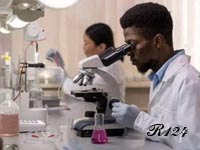
3 - From an economic perspective :
The arrival of these groups supplements the available workforce and supports competitiveness.
In doing so, it contributes to the sustainability of the health and pension systems.

Construction sites.
 |
 |
Medicine. |
Pensions. |
Apart from a few worrying isolated cases, reported in the press and, above all, shared on social media to the point of being treated as the norm, these foreign communities therefore play a positive role.
As for the microbiome, medicine – given its significance and the thousands of different species that make it up – is still struggling to fully understand its complexity and importance to the human body.
The same applies to all populations that have moved across the Earth, and have done so since time immemorial.
Human populations have travelled the world, learnt, exchanged ideas, helped one another or waged war against one another. Extinct civilisations have left a legacy that has evolved and been enriched.
Today’s peoples, anxious about migration, have forgotten their own history and all that they owe to the peoples who came before them.
b – What role do local communities play in their relationship with immigrants ?
The difficulty facing humanity seems to be that it has lost its natural capacity for encounter and discovery – a capacity inherent in children – and replaced it with a collective culture that is turned in on itself.
D –Towards an organisation and a humanity that practise justice and respect :
What does nature offer to help us achieve this ?It has embedded a moral sense within a child’s behaviour – a moral sense that reinforces their intelligence and could correct the tendency of adults to judge right and wrong according to shifting criteria.
- Our body teaches us that it owes its extraordinary achievements to the community spirit of its cells, to the coordination of their individual capacities for the benefit of their community. It also teaches us through its failures: how sharing leads to health, and how indulging in addictions or simple neglect leads to illness. It also teaches us that too much compassion for its rebellious cells can lead to the death of the entire community, but above all it teaches us that the host organism must be the first to abide by the rules. It must lead by example.
v- As for our microbiota, it shows us the benefits we might derive from our ‘visitors’. We shall therefore be sure to return to this subject soon.
Admittedly, miracles do not exist, but changing our behaviour could have many positive effects. Thanks to the example set by his body’s cells, humankind should understand the importance of living in society and learn to live in a way that promotes shared well-being.
Similarly, when it comes to migration flows, he should first and foremost see them as human beings who can contribute their talents, whilst recognising that not everyone can be welcomed.

Perhaps humankind, in its quest to satisfy ever-increasing desires, has forgotten the world in which it lives, and the moment in which it lives.
Ultimately, we find in the functioning of cells all the behaviours we observed in children during their very earliest years – behaviours that overlap with those prompted by a sense of morality:
- Respect for others, except where there is a proven danger,
- The pooling of skills,
- Providing assistance in the face of external danger,
- Not to mention the coordination of actions through constant dialogue, which seems to be the most important aspect.
« The very young child’s sense of morality is inherited from the way cells function. »
4 - The immune system : (soon)
Communication in Homo sapiens : (soon)
Bibliography :